
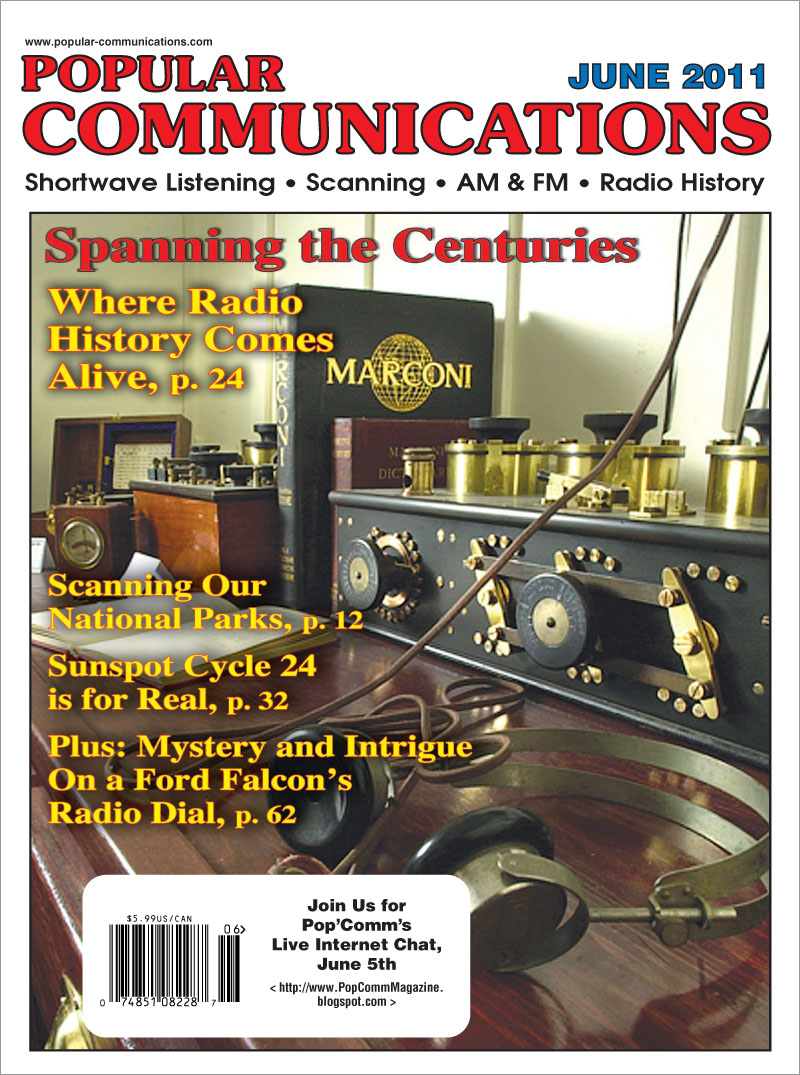
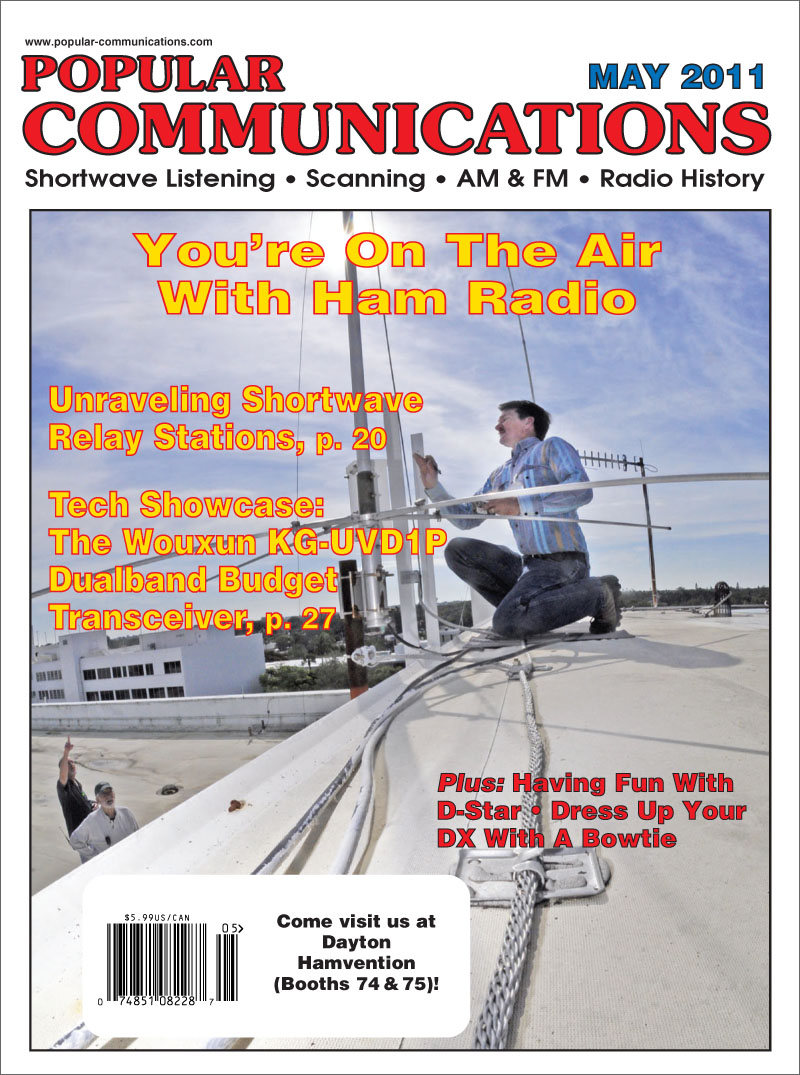
Well, as many of you know, Popular Communications magazine ceased publication toward the end of 2013 and a digital format for the magazine has existed sporadically since then in a CQ Amateur Radio magazine supplement online. While we hate to see a competitor die (trust me, competition is a good thing and always makes you want to be better), the online supplement never was anything like the original Pop’Comm ever was. Information below tells about CQ’s decision to now eliminate the CQ Plus supplement that contained some of the articles that Pop’Comm used to carry for radio hobbyists.
While Pop’Comm in all forms officially is toast after March, and we hate seeing it go (yours truly, National Communications’ editor, is a long-time columnist for Pop’Comm and even was its editor at one time), CQ’s woes don’t allow the publication to remain in any form or shape that it ever was. It’s an appropriate death for Pop’Comm’s corpus.
RIP Pop’Comm.
Feel free to let your friends and fellow radio hobbyists know that NatCom still is here to serve our readers and will continue to provide the CB, scanning and two-way radio articles of interest to radio hobbyists now that we’ve lost even yet another venue for the information. Read more about NatCom at http://www.nat-com.org.
Information posted by CQ:
CQ magazine has announced that it will publish a combined January/February 2015 issue and cease publication of its CQ Plus digital supplement as of the March 2015 issue. Publisher Dick Ross, K2MGA, said that both moves are intended to help restore the magazine’s normal schedule for its print edition and to strengthen its foundations moving forward as it enters its 8th decade of publication.
“These decisions were not made lightly,” Ross added, “but in recognition of the realities of the publishing industry. It’s a tough time to be in the magazine business, and we appreciate the patience and loyalty of both our readers and our advertisers.”
CQ announced last February that it was incorporating content from the magazine’s three sister publications — Popular Communications, CQ VHF and WorldRadio Online —into CQ Plus. The publisher also phased out the print editions of Popular Communications and CQ VHF and said WorldRadio Online would no longer exist as a separate online publication.
CQ will continue to publish both print and digital editions, but the digital edition will no longer contain the 50-60 additional pages each month that constituted CQ Plus. Editor Rich Moseson, W2VU, has said he hopes to include some CQ Pluscontent within the pages of CQ, but added that ham radio will remain the magazine’s primary focus. CQ marks its 70th publication anniversary with its January/February issue.
The magazine also announced that, “as a consequence of the changes,” CQ PlusEditor Richard Fisher, KI6SN, will be leaving the CQ staff after serving for many years as a columnist for — and then as editor of — Popular Communications,WorldRadio Online, and CQ Plus. He was also CQ magazine’s emergency communications editor.
Due to the combined January/February issue, CQ will extend by 1 month all print and digital edition subscriptions to CQ.
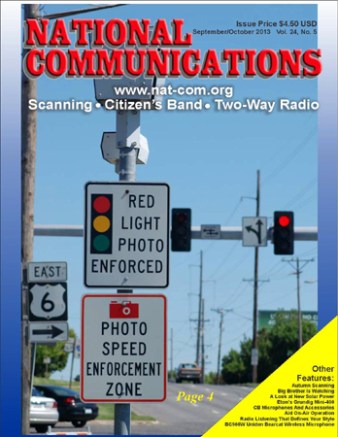 I’ve got three articles in the September-October 2013 issue of National Communications magazine. The cover piece that I wrote is on how cities are using red-light and speed cameras to control traffic and make money, and my photos, including the cover shot, were taken in Davenport, Iowa. My two other articles are about autumn scanner listening and CB microphones and accessories. With this issue of the magazine, I mark 17 years as a contributing writer with the publication.


 Radio Users
You must be logged in to post a comment.